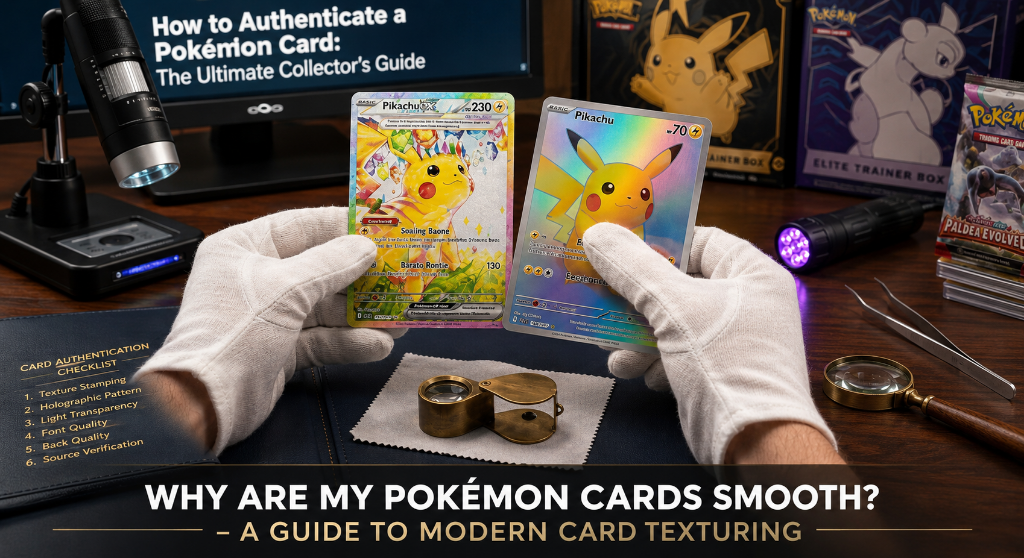
Why Are My Pokémon Cards Smooth? A Guide to Modern Card Texturing
Introduction
If you have recently pulled an ultra-rare card from a booster pack or bought a high-value single online, your first instinct was probably to run your thumb across the artwork. If that surface feels completely slick, it can trigger immediate panic. You might be left staring at your collection and wondering why are my pokémon cards smooth.In the modern era of the Pokémon Trading Card Game, physical texture is one of the most vital features used to distinguish premium collectibles from standard bulk. However, determining whether a smooth surface points to an exciting production variant, a specific rarity style, or a flat-out counterfeit requires a bit of know-how. This complete guide breaks down everything you need to know about the science of card texturing so you can audit your vault with complete confidence.
Why Are My Pokémon Cards Smooth: Understanding Rarity and Printing Rules
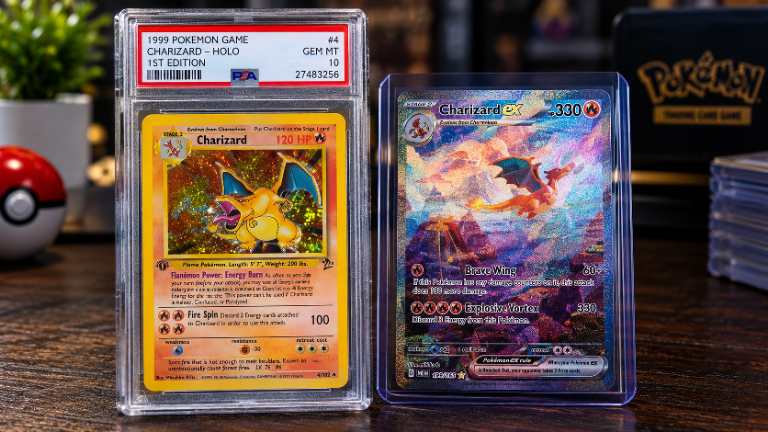
To determine if your card is supposed to feel flat, you must first understand the official rules of the factory printing process. Not every rare pull is designed to feature physical texturing. In fact, standard ultra-rare hits from older eras—as well as modern basic ex cards, traditional holos, and reverse holographic gallery cards—are manufactured with a completely flat, glossy finish by design.
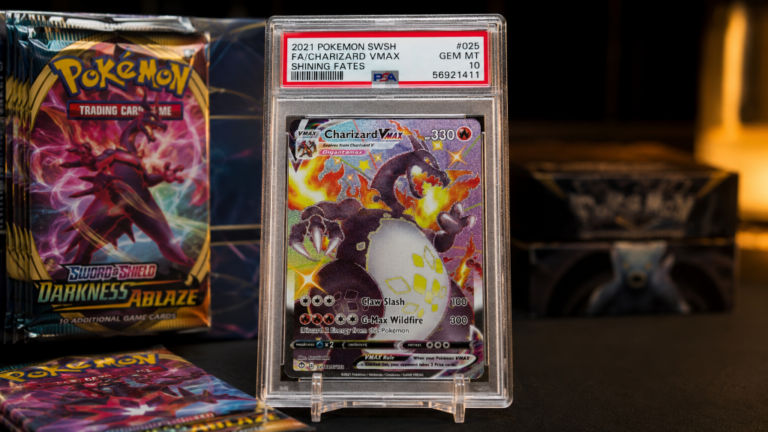
If you are trying to figure out why your card feels slick, look up its specific rarity tier on an official set checklist. If the card is a standard double-rare (like a basic ex from recent expansions), a smooth surface is entirely normal. The advanced, fingerprints-like etched texture is strictly reserved for higher-end tiers, such as Secret Rares, Special Illustration Rares, and high-grade promotional items.
Why Are My Pokémon Cards Smooth: Spotting Counterfeit Replicas
If you are holding a card that should feature complex, grooved patterns—such as a modern alternate-art or a hyper-rare gold card—but it feels like a slick deck of standard playing cards, you are likely dealing with a bootleg item. Counterfeit factories routinely cut manufacturing corners because reproducing industrial texture plates is incredibly expensive. Consequently, they leave their replica surfaces completely flat.
To quickly differentiate a real textured card from a smooth counterfeit, use these three surface checks:
- The Light Reflection Test: Hold the card under a bright desk lamp. Genuine texturing scatters light dynamically, whereas fake smooth cards display a cheap, vertical rainbow sheen that blankets the entire art.
- The Fingerprint Check: Run your fingernail gently across the artwork. An authentic premium card will feel like the ridges of a vinyl record, while a fake feels completely slick.
- The Energy Icon Detail: Look at the energy symbols using a magnifying glass. Real modern textured cards feature unique circular micro-grooves stamped directly inside the energy icons, a detail smooth fakes miss completely.
Why Are My Pokémon Cards Smooth: Identifying Factory Texture Errors
What happens if you pull a Secret Rare straight out of a sealed booster pack and it still feels completely slick? While it is rare, you might actually be holding a highly collectible factory misprint known as a “texture omission error”. This manufacturing mistake occurs when a printing sheet bypasses the final texture-stamping station at the factory, leaving a genuine ultra-rare card completely smooth.
Because counterfeit cards are also smooth, verifying a genuine texture error requires looking closely at secondary security markers. A true factory misprint will still feature an authentic cardstock core, perfect font typography, correct color saturation, and a crisp blue card back layout. If all of those official markers check out perfectly under a jeweler’s loupe, your smooth card isn’t a fake—it is a highly unique misprint that could carry a premium value to error collectors!
Conclusion: Shop Securely with Rare Pulls Hub
Investigating why are my Pokémon cards smooth requires evaluating the specific set number, the assigned rarity tier, and the physical print layers of the cardstock. Whether your card is smooth by design, a unique factory texture omission error, or a warning sign of a fake marketplace proxy, knowing these details keeps your collection secure.
The absolute easiest way to eliminate the guesswork and protect your financial capital is to source your cards from a trusted partner. At Rare Pulls Hub,we place authenticity and transparency above everything else. Every factory-sealed product, raw single, and certified graded slab in our inventory undergoes a strict physical evaluation before it ever reaches our store shelves. Browse our secure catalog, discover our latest arrivals, and explore our verified inventory to find out why are my Pokémon cards smooth] using real, authenticated collector pieces today!
Frequently Asked Questions
Do fake Pokémon cards ever have texture?
Yes, modern high-end counterfeits occasionally attempt to mimic texturing. However, their artificial patterns are usually incredibly shallow, look chemically stamped, or lack the detailed circular grooves inside the energy symbols.
How high can the HP go on an authentic card?
Official cards maintain a strict layout cap. The maximum HP configuration ever printed on a tournament-legal card is 380 HP. If a smooth card claims to have 5,000 or 80,000 HP, it is a guaranteed bootleg product.
What is the safest way to verify an untextured card?
The single most reliable method is a direct, side-by-side comparison. Place the card in question right next to a verified, known-authentic copy from the exact same set to evaluate color accuracy and border clean cuts